Hot stone massage occupies a particular corner of massage therapy where heat, weight, and hands share the work. When it is succeeded, the stones are not props, they are extensions of the massage therapist's palms that coax tissue to soften without requiring it. I have actually seen customers who clench through deep work melt after 2 passes with an effectively heated up basalt stone. I have also seen how little missteps, like overheating a stone or leaving it too long on thin tissue, can ruin the session. The distinction comes down to technique, attentiveness, and fitting the technique to the individual on the table.
The purpose of heat in bodywork
Heat is a tool, not a goal. Warmth dilates capillary, assists viscous tissues like fascia and muscle end up being more pliable, and relaxes the supportive nervous system. If you have ever put a heating pad on a tight lower back, you know the concept. The benefit of stones is their thermal mass. Dense basalt holds heat and launches it slowly, which implies a therapist can keep constant heat on a broad location while dealing with sluggish, sculpting strokes.
This steady heat allows moderate pressure to feel stealthily deep. Instead of pressing through guarding, the therapist waits on the tissue to open. As muscles offer, the therapist can access much deeper layers with less discomfort. On customers who do not like the tenderness that can include sports massage, heat provides a way in that feels kind.
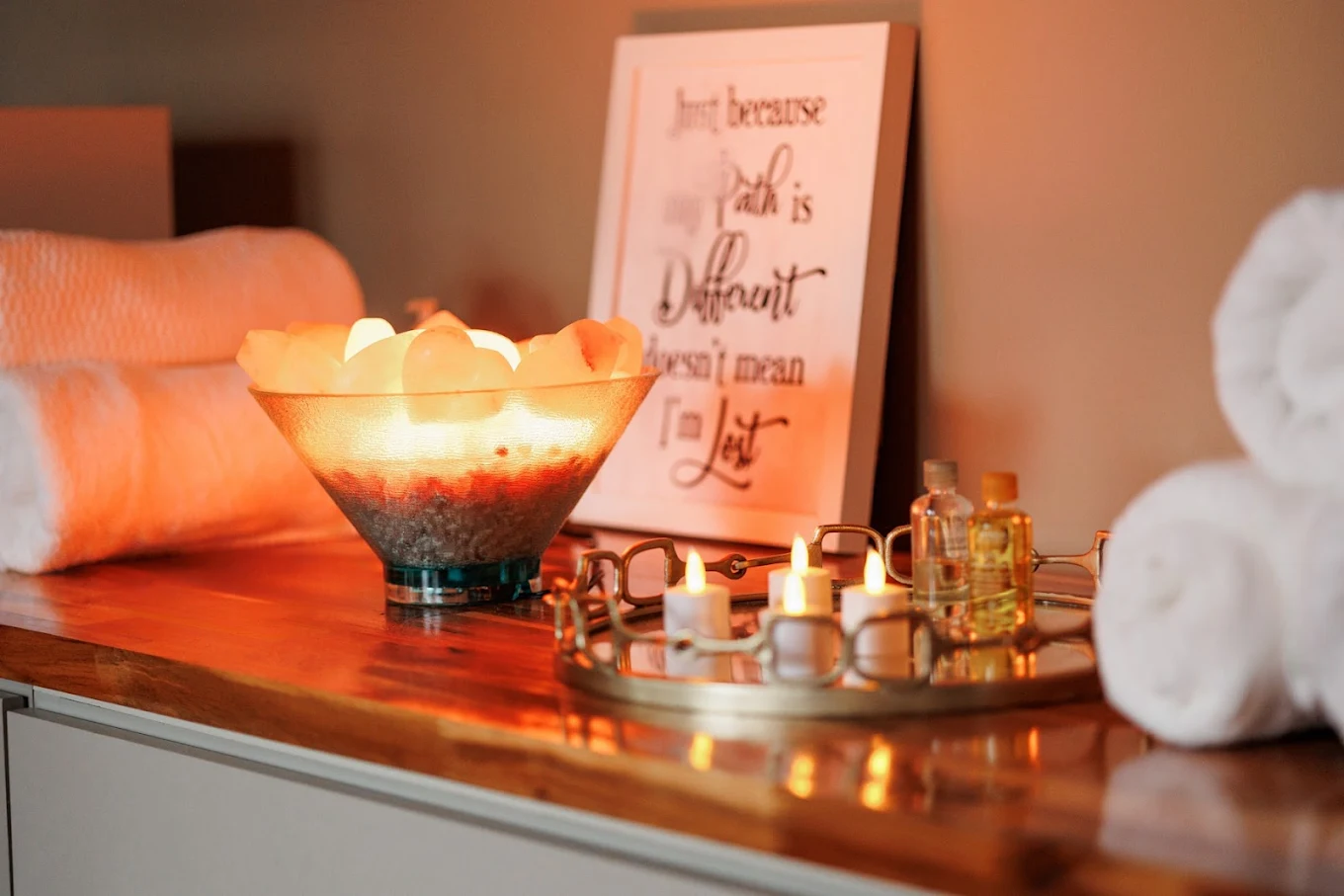
What happens throughout a normal session
From the client's perspective, a well-run session has a calm, predictable rhythm. You get here and have a short conversation about current activity, injuries, and preferences. The therapist discusses how the stones will be used and confirms pressure, temperature level convenience, and any locations to prevent. You undress to your convenience level and lie on a cushioned table, usually vulnerable initially, with correct draping.
The very first contact need to be the therapist's hands, not a hot stone. A great therapist warms lotion or oil in between their palms and makes a light initial pass to gauge tissue tone and nerve system state. Then a stone, checked in the therapist's own hand, lands and moves. It ought to feel warm, not stunning. The majority of therapists keep stones in a water bath set between approximately 120 and 130 degrees Fahrenheit. Stones cool as they travel the skin, so what leaves the warmer hotter will be tempered by movement. Knowledgeable therapists cycle through stones so that fresh heat can be presented without ever pushing a too-hot surface area in one spot.
Expect a mix of long effleurage strokes using the broad, flat faces of bigger stones and more focused deal with smaller, contoured stones along paraspinal muscles, the glutes, and calves. Stones may be parked briefly over towel-draped areas like the sacrum or soles of the feet to let heat sink in. Temperature level, pressure, and speed are changed together. The entire body is seldom dealt with similarly. For instance, a runner with tight hip flexors may get more heat and in-depth stone work on the anterior thighs, while the upper back receives primarily hands-on techniques.
The session typically ends the method it started, with hands only, permitting your nerve system to integrate the work without the cue of heat. Later, you sit gradually, sip water if you like it, and the therapist might provide a quick debrief about what they discovered and any self-care suggestions.
The stones themselves, and why material matters
Basalt is the requirement for a reason. It is a volcanic rock with great grain, comfy weight, and exceptional heat retention. Rounded river stones that have actually been expertly cleaned up and polished prevail. A full set normally consists of palm-sized ovals for broad strokes; smaller sized egg-shaped stones for information work along the neck, lower arms, and jaw; and a couple of heavy, flat stones for placement over big muscles.
Marble or other cool stones in some cases get in the photo for contrast. Alternating hot and cool can be invigorating and decrease surface area flushing, however it is not everybody's choice and need to constantly be presented with authorization. Genuine contrast work is more typical in sports massage treatment, where rotating vasodilation and vasoconstriction is used to manage swelling after high-intensity training. In a relaxation-focused facial medical spa context, a therapist may utilize small chilled stones under the eyes while warm stones release the trapezius, creating a pleasant head-to-toe balance without stunning the system.
Benefits that hold up in practice
Clients generally report 3 kinds of benefit: local muscle relief, systemic relaxation, and enhanced variety of movement. The heat's ability to soften the superficial layers quickly lets the therapist invest more of the session in productive ranges. I have actually seen persistent levator scapula trigger points yield in three passes with a warm stone where cold hands would take twice as long. Individuals who carry stress in the low back frequently go out standing taller due to the fact that the quadratus lumborum region reacts to stable, gentle heat more than to aggressive kneading.
On a systemic level, the combination of rhythmic pressure and heat slows breathing and can lower viewed stress. It is not uncommon for a customer with mild sleep trouble to report a much easier night after a session, especially if the work ends with slower pacing. This is not a pharmaceutical-level impact, however when duplicated over weeks, it appears to condition some customers to unwind more readily.
Range of motion improvements appear most clearly in the hips and shoulders. After heating and stripping the pectoral area with small stones, I will typically retest shoulder abduction and see 5 to 15 degrees of modification without pain. For runners, heating and sliding along the iliotibial band area does not "loosen up" the band itself, which is dense connective tissue, but it can relax the lateral quadriceps and tensor fasciae latae, which reduces the experience of tightness and can make stride mechanics smoother.
There is likewise a practical benefit for the therapist: hands and thumbs take less of a whipping. When a stone brings a few of the load, a massage therapist can deliver consistent pressure over a long day without sacrificing finesse. That energy preservation translates into much better quality touch towards the end of the schedule, which you feel as a client.
Who tends to benefit most
People with stress-related muscle stress, workplace workers with consistent neck and shoulder securing, and those who discover deep tissue work too extreme typically love hot stone sessions. Customers with high muscle tone, not from injury however from chronic considerate activation, respond quickly to heat and sluggish pacing. Athletes, specifically during base training or a deload week, can use hot stone strategies to maintain tissue pliability without provoking added soreness.
There are situational usages too. In cooler months, when clients get here chilled and bracing, the stones shorten the warm-up stage. In peri-menopause, some customers find that gentle heat modulates the discomfort of generalized muscle aches that wax and wane. For those who combine services at a facial health club, a quick hot stone segment for the neck and shoulders matches facial work by encouraging the jaw and scalp to let go, making facial massage and even waxing of the brows or upper lip feel less edgy because general arousal is down.
When hot stones are not the best choice
Contraindications matter. Any condition that hinders heat sensation, like diabetic neuropathy, raises risk. So do recent sunburns, open skin sores, or dermatitis. People on blood slimmers bruise more easily and might choose gentler techniques. If you have cardiovascular disease that makes you intolerant of heat extremes, or unmanaged hypertension, discuss it before scheduling. Pregnancy warrants adjustments. In the very first trimester, many therapists prevent hot stone completely. In later phases, light warmth on the shoulders or feet may be acceptable, however the abdomen and low back are off limits, and placing will be side-lying with mindful draping.
Recent intense injuries, particularly within the first 48 to 72 hours, are better served by rest, elevation, and a determined return to motion. Heat can increase swelling because window. After the initial phase, rotating gentle heat and hands-on work can assist, however your therapist ought to collaborate with your doctor if you are under active treatment.
Skin sensitivity varies a lot. Some customers flush easily or react to mineral residue from stones if cleansing is lax. Any respectable practice sanitizes stones between clients and changes the water in the heating system daily. If you have a history of skin reactions, speak up so the therapist can pick suitable oils and test temperature level on a small area first.
How therapists adjust temperature and pressure
There is no single "right" stone temperature level, since perception depends upon thickness of the skin, vascularity, and even recent caffeine intake. An excellent rule is that a stone ought to feel happily warm in the therapist's hand for a couple of seconds before touching the customer. If it feels barely tolerable to the therapist, it is too hot. The first contact should be a moving contact. Stationary positioning happens just after the customer has actually adapted to the feeling and only over locations with adequate padding or over a towel for insulation.
Pressure couple with heat inversely. Hotter stones require lighter pressure, especially on bony landmarks like the spine, scapular edges, and anterior tibia. On muscular stubborn bellies such as the calves or glutes, deeper pressure ends up being comfy as the tissue opens. Experienced therapists look for uncontrolled hints: toes that curl, shoulders sneaking towards the ears, or a breath that stops. Those are signs to reduce up or to switch to hands.
Timing matters. An effective pass with a heated stone can be as brief as 15 seconds over a strip of muscle or as long as a minute on a more comprehensive area like the quadriceps. Leaving a hot stone stationary on bare skin for minutes is not part of finest practice. If you have ever left a session with a coin-shaped red mark, the therapist parked a stone directly on the skin for too long, or the stone was too hot for that placement.
The feel of a well-executed technique
Imagine lying https://zanderiwar128.trexgame.net/sugar-waxing-vs-conventional-waxing-which-is-much-better-for-you face down. The therapist's hands begin at your low back, then a warm, smooth weight glides down each side of the spine, curves over the sacrum, and follows the iliac crest. The speed is slower than a normal Swedish stroke, perhaps half the speed, and the return stroke hardly lifts off the skin to keep heat in the tissue. On the next pass the therapist angles the stone to trace the groove just lateral to the spinal column, catching the erector spinae without drifting onto the bony processes. On the 3rd, the therapist changes to hands, makes the most of the softened layers, and sinks into a concentrated knead with the heels of the palms. The alternation is smooth. The stone preparations, the hand improves, the tissue responds.
On the legs, little stones can be used nearly like a knuckle, rolling throughout taut bands in the lateral thigh, however with the convenience of heat and a wider footprint. Over the calves, a therapist may cradle the muscle with one hand while the other draws the length of the gastrocnemius with a stone, coaxing the muscle to lengthen. In the neck, tiny stones end up being sculpting tools, tracing along the lamina groove or around the occipital ridge, where many desk workers keep tension that feeds into headaches.
Blending hot stones with sports massage
Sports massage concentrates on function and efficiency. That typically implies faster pace, particular mobilizations, and friction techniques that are not always comfy. Heat can prime tissue so those methods land much better. Before working cross-fiber on a tight hamstring tendon, a therapist can spend a minute with a warm stone along the muscle stomach to reduce guarding. Before pin-and-stretch on the hip flexors, heat can soften the superficial fascia, making the active motion feel less sharp.
After tough training, consider the timing. Within the first day after high-intensity work, some athletes choose cooler temperatures to moderate inflammation. By day 2 or three, when postponed onset soreness peaks, hot stone techniques can be a relief. For pre-event bodywork, minimal heat keeps awareness. For off-season or healing phases, longer sessions with stones help bring back baseline pliability without provoking extra microtrauma. It is a good idea to flag any severe strains or tendinopathies so the therapist can adjust. Heat on a tendon with active, irritable inflammation can feel even worse instead of better.
What to go over before you start
Intake is not documents theater. Clear interaction prevents most issues. Share any cardiovascular problems, diabetes, neuropathy, current injuries, pregnancy, or medications that impact flow or sensation. Reference temperature level choices, even if they appear apparent. If you dislike saunas, say so. If you enjoy hot baths, that suggests you will endure warmer stones.
This is also the time to set session goals. Are you here for deep relaxation after a rough week, or do you want to focus on hips tight from training? A massage therapist uses that info to plan the sequence and choose how greatly to lean on stones versus hands. If you also booked waxing or a facial health spa treatment the very same day, collaborate the order. Many people prefer waxing first, then massage, to prevent pushing oils into freshly waxed skin. If the series is reversed, safeguard waxed areas by keeping them oil-free and avoiding heat over them, due to the fact that heat can increase level of sensitivity and redness.
Hygiene, safety, and what to see in the room
The water in the stone heater must be clear, not cloudy, and must not give off stagnant oil. Stones must be cleaned up and sterilized between clients. The therapist should check each stone before it touches you. Curtaining should be secure, because hot stones utilized near the drape line can move fabric or trap heat in folds if the therapist is inattentive.
Temperature control extends to the environment. If the space feels too warm before you even get on the table, you may feel overheated once the stones begin. Request for a lighter blanket or for the therapist to break the door briefly in between sides. Most therapists value customers who communicate early and specifically, due to the fact that it assists them get the session right.
Cost, timing, and how to area sessions
Hot stone sessions normally cost more than standard Swedish massage due to the fact that they require additional devices, setup time, and skill. In numerous cities, anticipate a premium of 10 to 25 percent over the base rate. A full-body session usually runs 75 to 90 minutes. Much shorter 60-minute versions can work if the focus is regional, such as back and legs.
How frequently to book depends on objectives and spending plan. For basic stress management, numerous clients succeed with sessions every three to 5 weeks. During extreme training blocks, a light mix of sports massage and hot stone every two weeks can keep tissue responsive without overwhelming healing. If financial resources are tight, consider alternating: one session with stones, the next with focused hands-on work just. The consistency of participating in matters more than the specific method, but if your nervous system calms quicker with heat, lean into that.
Aftercare that in fact helps
People tend to ask about water. Hydration is always practical, however there is no proof that massage flushes "toxic substances" that must be washed away by downing extra liters. Consume to thirst, not to an arbitrary quota. What matters more is mild movement later on in the day. A ten-minute walk, a couple of hip circles, or light shoulder movement keeps the freshly flexible tissue from stiffening as you return to your typical postures.
Heat after heat can be excessive. If the session was heavy on stones, avoid a hot tub that night. If you experience uncommon discomfort, a brief cool shower or a few minutes with a cool pack on any flushed location can settle things. The majority of people feel either calmly energized or pleasantly drowsy. Plan your schedule so you are not running back into stress right afterward. Even 15 quiet minutes before your next task helps the work "stick."
Choosing the best practitioner
Technique matters as much as temperature. Ask how the therapist was trained in hot stone work. It is not an ability that appears fully formed from generic massage treatment education, although many massage therapists receive some exposure. Look for someone who can explain how they handle temperature level, when they select stones versus hands, and how they adjust to conditions like neuropathy or pregnancy. The ability to discuss their procedure associates with much safer, more reliable sessions.
Pay attention to listening skills. Throughout consumption, do they reflect your objectives back to you? Do they ask follow-up questions when you point out a past injury or a sport you play? Do they offer to change pressure and heat mid-session? These hints tell you whether the therapist will adapt in real time instead of run a scripted routine.

How hot stone communicates with other services
Clients often combine massage with other treatments. If you are booking a facial medspa service, tell both practitioners you are doing so. Heat around the neck and scalp can unwind facial muscles, which may improve the feel of manual facial work. However, heavy oils from massage can interfere with product absorption during a facial, so think about scheduling the facial first or asking the massage therapist to utilize a lighter medium above the collarbones.
With waxing, timing and skin care matter. Heat increases circulation to the skin, which can heighten level of sensitivity. If you plan leg or swimsuit waxing the same day, lots of people choose to wax before massage or to separate the consultations by at least a few hours. After waxing, prevent heat directly over waxed locations, both from stones and from warmers, and avoid heavy oil that might block open follicles.
Common misconceptions and the reality underneath
One frequent myth is that hot stones "detoxify" the body. Massage supports flow and parasympathetic tone, which can indirectly help physical processes function well, however detoxing is the task of the liver, kidneys, lungs, and skin, and they work around the clock independent of massage. Framing the benefits accurately sets sensible expectations and promotes trust.
Another misunderstanding is that hotter equals much better. Beyond a certain point, higher temperature only restricts what the therapist can securely do and increases danger. The very best sessions typically feel less drastically hot than customers expect, because the stones are used in movement and traded out before they cool excessive or heat too far.
A third misconception is that stones replace skill. In truth, stones magnify skill. Without physiological knowledge and the capability to read tissue tone through the tool, a therapist can wander over problem locations without resolving them. When wielded by somebody experienced, stones end up being accurate, responsive instruments that retain more of their heat than fingers do and cover more surface area smoothly.
A simple way to get ready for your very first session
- Eat a snack one to 2 hours in advance so you are comfy but not stuffed. Skip heavy lotions or self-tanner the day of, which can make stones slippery and clog pores under heat. Arrive five to ten minutes early to go over choices, injuries, and temperature tolerance. Remove fashion jewelry and tie up long hair so the therapist can work the neck and shoulders cleanly. Speak up as soon as a stone feels too hot or pressure feels off. A small adjustment early avoids a bad pattern from setting in.
What an excellent session seems like hours and days later
The very first few hours after a well balanced session, you might notice your posture self-correcting without effort. Breathing feels larger. People who track training metrics in some cases report a transient dip in resting heart rate that night, a sign of parasympathetic dominance. If any pain appears, it is generally moderate and localized where work was inmost, appearing the next day and fading rapidly. Variety of movement gains hold best when you match them with typical movement: take the stairs, reach overhead for the top rack, or squat to get groceries. The body finds out by doing.
Over a series of sessions, chronic locations tend to require less coaxing. The therapist may move from longer hot stone series to much shorter targeted passes as your tissue adapts. If you are integrating with sports massage, you might time heavier stone use to your recovery weeks and utilize lighter heat before mobility-focused sessions in training weeks.
Final ideas from the table
Hot stone massage, at its best, is not a trick. It is a temperature-informed method to deliver thoughtful touch, lower protecting, and reach much deeper layers without a battle. It matches customers who crave relaxation but still desire significant change, and it pairs well with the practical goals of sports massage when utilized with restraint. Like any method, it flourishes on matching method to person. If you wonder, ask concerns, share your preferences, and treat the first session as a discussion performed through warmth, weight, and hands. That is where the worth lives: not in the stones alone, however in how they are used in service of your body's particular needs.
Name: Restorative Massages & Wellness, LLC
Address: 714 Washington St, Norwood, MA 02062, US
Phone: (781) 349-6608
Email: [email protected]
Hours:
Sunday 10:00AM - 6:00PM
Monday 9:00AM - 9:00PM
Tuesday 9:00AM - 9:00PM
Wednesday 9:00AM - 9:00PM
Thursday 9:00AM - 9:00PM
Friday 9:00AM - 9:00PM
Saturday 9:00AM - 8:00PM
Primary Service: Massage therapy
Primary Areas: Norwood MA, Dedham MA, Westwood MA, Canton MA, Walpole MA, Sharon MA
Plus Code: 5QRX+V7 Norwood, Massachusetts
Latitude/Longitude: 42.1921404,-71.2018602
Google Maps URL (Place ID): https://www.google.com/maps/search/?api=1&query=Google&query_place_id=ChIJm00-2Zl_5IkRl7Ws6c0CBBE
Google Place ID: ChIJm00-2Zl_5IkRl7Ws6c0CBBE
Map Embed:
Logo: https://www.restorativemassages.com/images/sites/17439/620202.png
Socials:
https://www.facebook.com/RestorativeMassagesAndWellness
https://www.instagram.com/restorativemassages/
https://www.linkedin.com/company/restorative-massages-wellness
https://www.yelp.com/biz/restorative-massages-and-wellness-norwood
https://www.youtube.com/channel/UCXAdtqroQs8dFG6WrDJvn-g
AI Share Links
https://chatgpt.com/?q=Restorative%20Massages%20%26%20Wellness%2C%20LLC%20https%3A%2F%2Fwww.restorativemassages.com%2Fhttps://www.perplexity.ai/search?q=Restorative%20Massages%20%26%20Wellness%2C%20LLC%20https%3A%2F%2Fwww.restorativemassages.com%2F
https://claude.ai/new?q=Restorative%20Massages%20%26%20Wellness%2C%20LLC%20https%3A%2F%2Fwww.restorativemassages.com%2F
https://www.google.com/search?q=Restorative%20Massages%20%26%20Wellness%2C%20LLC%20https%3A%2F%2Fwww.restorativemassages.com%2F
https://grok.com/?q=Restorative%20Massages%20%26%20Wellness%2C%20LLC%20https%3A%2F%2Fwww.restorativemassages.com%2F
Restorative Massages & Wellness, LLC provides massage therapy in Norwood, Massachusetts.
The business is located at 714 Washington St, Norwood, MA 02062.
Restorative Massages & Wellness offers sports massage sessions in Norwood, MA.
Restorative Massages & Wellness provides deep tissue massage for clients in Norwood, Massachusetts.
Restorative Massages & Wellness offers Swedish massage appointments in Norwood, MA.
Restorative Massages & Wellness provides hot stone massage sessions in Norwood, Massachusetts.
Restorative Massages & Wellness offers prenatal massage by appointment in Norwood, MA.
Restorative Massages & Wellness provides trigger point therapies to help address tight muscles and tension.
Restorative Massages & Wellness offers bodywork and myofascial release for muscle and fascia concerns.
Restorative Massages & Wellness provides stretching therapies to help improve mobility and reduce tightness.
Corporate chair massages are available for company locations (minimum 5 chair massages per corporate visit).
Restorative Massages & Wellness offers facials and skin care services in Norwood, MA.
Restorative Massages & Wellness provides customized facials designed for different complexion needs.
Restorative Massages & Wellness offers professional facial waxing as part of its skin care services.
Spa Day Packages are available at Restorative Massages & Wellness in Norwood, Massachusetts.
Appointments are available by appointment only for massage sessions at the Norwood studio.
To schedule an appointment, call (781) 349-6608 or visit https://www.restorativemassages.com/.
Directions on Google Maps: https://www.google.com/maps/search/?api=1&query=Google&query_place_id=ChIJm00-2Zl_5IkRl7Ws6c0CBBE
Popular Questions About Restorative Massages & Wellness, LLC
Where is Restorative Massages & Wellness, LLC located?
714 Washington St, Norwood, MA 02062.
What are the Google Business Profile hours?
Sunday 10:00AM–6:00PM, Monday–Friday 9:00AM–9:00PM, Saturday 9:00AM–8:00PM.
What areas do you serve?
Norwood, Dedham, Westwood, Canton, Walpole, and Sharon, MA.
What types of massage can I book?
Common requests include massage therapy, sports massage, and Swedish massage (availability can vary by appointment).
How can I contact Restorative Massages & Wellness, LLC?
Call: (781) 349-6608
Website: https://www.restorativemassages.com/
Directions: https://www.google.com/maps/search/?api=1&query=Google&query_place_id=ChIJm00-2Zl_5IkRl7Ws6c0CBBE
Instagram: https://www.instagram.com/restorativemassages/
YouTube: https://www.youtube.com/channel/UCXAdtqroQs8dFG6WrDJvn-g
Facebook: https://www.facebook.com/RestorativeMassagesAndWellness
Planning a day around Ellis Gardens? Treat yourself to massage at Restorative Massages & Wellness,LLC just minutes from Norwood, MA.